
Condition

Understanding Achilles Tendinosis

Achilles tendinosis is a common cause of pain and stiffness at the back of the ankle, particularly during walking, running, or when first getting moving after rest. It develops when the Achilles tendon is repeatedly overloaded, leading to degenerative changes within the tendon rather than acute inflammation.

Symptoms often come on gradually and may persist for months if not addressed. While many cases improve with appropriate rehabilitation, some people develop chronic Achilles tendinosis that significantly limits activity. At Northern Medical, Achilles tendinosis is managed as a load-related tendon condition, with treatment tailored to symptom duration, functional impact, and response to previous care.
achilles image 2

What causes Achilles tendinosis?

Achilles tendinosis is caused by repetitive mechanical overload of the tendon that exceeds its ability to adapt. Common contributing factors include sudden increases in training volume or intensity, reduced calf strength, limited ankle mobility, prolonged standing, and changes in footwear or surface.

It is frequently seen in runners and active individuals but can also occur in people who are less active. Pain may be worse at the start of activity and improve as the tendon warms up, before returning later. Identifying and modifying these contributing factors is central to effective management.
How is Achilles tendinosis diagnosed?

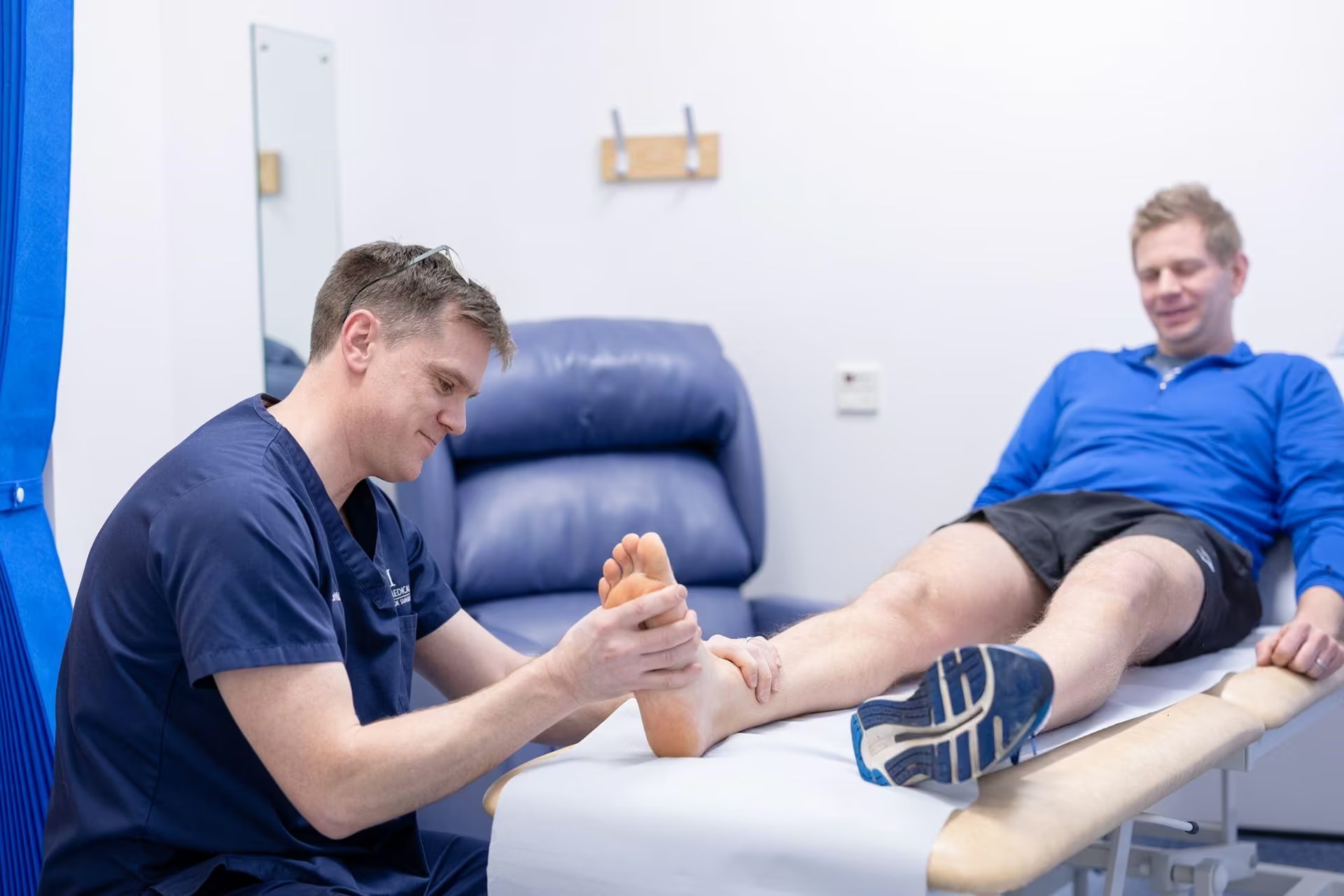
Achilles tendinosis is primarily diagnosed clinically based on symptoms and physical examination. Pain is usually localised to the tendon itself and may be associated with stiffness, thickening, or tenderness.

Imaging is not always necessary, but ultrasound or MRI may be used in persistent or atypical cases to assess tendon structure or exclude other pathology. Imaging can also help guide treatment decisions where symptoms have not responded to standard care.

Shockwave therapy for Achilles tendinosis

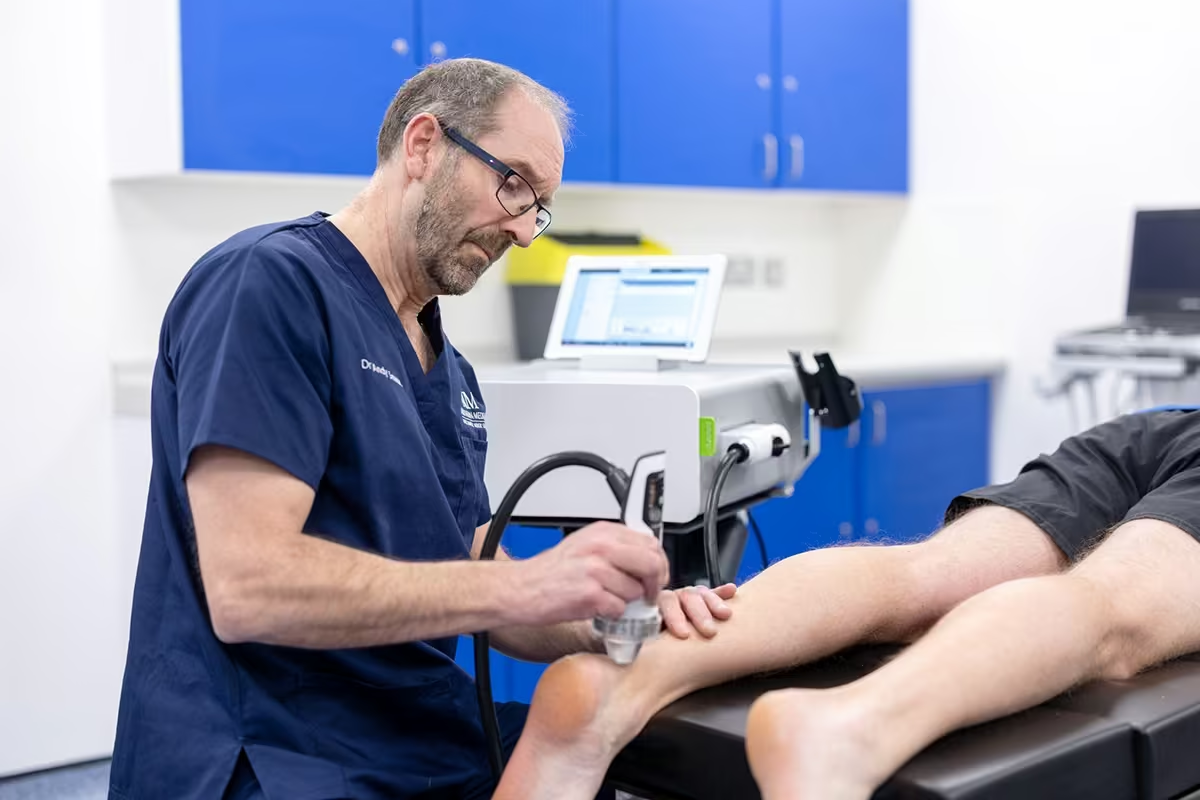
Focused shockwave therapy is a recognised treatment option for chronic Achilles tendinosis that has not improved with rehabilitation alone. It works by delivering targeted acoustic energy to the tendon, stimulating biological healing processes and reducing pain over time.

Shockwave therapy is delivered in clinic and does not require injections or anaesthetic. It is typically provided as a short course of treatment and is most effective when combined with an appropriate progressive loading programme. Clinical evidence supports its use in selected cases of chronic Achilles tendinosis.

Injection therapy and other treatment options

Injection therapy may be considered for selected patients with persistent symptoms, particularly where pain is limiting rehabilitation. Different injection approaches may be discussed during consultation, depending on individual clinical factors.

Injection treatment is not offered routinely and is considered alongside other evidence-based options, including shockwave therapy and structured rehabilitation. The aim is to support longer-term recovery by enabling effective loading and functional improvement, rather than providing short-term symptom relief alone.

Price List

Pricing

Consultation
Initial Remote Consultation

Free

Consultation
Face to Face Assessment

100

Focused Shockwave Therapy
Course of 4 Treatments

540

Focused Shockwave Therapy
Course of 6 Treatments

720

Injection Therapy
Advanced Treatments

POA

Frequently Asked Questions

Achilles Tendinosis FAQs

What is Achilles tendinosis?
Achilles tendinosis is a chronic condition affecting the Achilles tendon, caused by repeated overload and degenerative changes within the tendon rather than acute inflammation. It typically causes pain, stiffness, and tenderness at the back of the ankle, particularly during activity or when first moving after rest.
Achilles tendinitis implies acute inflammation, whereas Achilles tendinosis describes longer-standing degenerative changes within the tendon. Most persistent Achilles pain is better described as tendinosis, which is why treatment focuses on rehabilitation and load management rather than rest alone.

Improvement usually occurs gradually over several months with appropriate rehabilitation and load management. Chronic Achilles tendinosis is typically defined as symptoms lasting longer than three months. Treatments such as shockwave therapy may support recovery in more persistent cases.

A scan is not always required. Diagnosis is usually made clinically based on symptoms and examination. In Newcastle, ultrasound or MRI may be recommended in persistent, severe, or atypical cases to assess tendon structure or guide treatment decisions.

Shockwave therapy has been shown to reduce pain and improve function in selected cases of chronic Achilles tendinosis that have not responded to rehabilitation alone. At Northern Medical in Newcastle, focused shockwave therapy is offered following clinical assessment to ensure it is appropriate for your condition.

Injection therapy may be considered in selected cases where pain significantly limits rehabilitation. Different injection options may be discussed during consultation, depending on individual clinical factors. Injections are used cautiously and as part of a broader management plan rather than as routine treatment.

Most people can continue walking and daily activities, but running and high-load activities may need to be modified temporarily. A structured rehabilitation and progressive loading programme is key to recovery. Your clinician in Newcastle will advise on appropriate activity levels.

Recurrence can occur, particularly if loading is increased too quickly or rehabilitation is incomplete. A gradual return to activity and ongoing strength work reduce the risk of symptoms returning.

You should consider clinical assessment if Achilles pain persists for several months, limits activity, or does not improve with initial conservative management. Assessment at Northern Medical in Newcastle helps confirm the diagnosis and guide evidence-based treatment options.

Rehabilitation and Progressive Loading for Achilles Tendinosis

Rehabilitation is the cornerstone of effective treatment for Achilles tendinosis. While treatments such as shockwave therapy or injection therapy may help reduce pain and support tendon recovery, long-term improvement depends on restoring the tendon’s ability to tolerate load.

Rehabilitation focuses on progressive loading of the Achilles tendon and calf muscles. Exercises are introduced gradually and progressed over time to stimulate healthy tendon adaptation without provoking excessive pain. This approach helps improve strength, stiffness, and function within the tendon.

At Northern Medical, rehabilitation advice is integrated into your treatment plan. Where more detailed or supervised rehabilitation is required, we can coordinate care with one of our recommended physiotherapy practices. This ensures that pain-modifying treatments and rehabilitation are aligned, supporting a safe return to activity and reducing the risk of recurrence.