
mINOR sURGERIES

Doctor-led
Skin Tag Removal

We offer private, doctor‑led skin tag removal in a medical setting, using safe and effective techniques tailored to the location, size, and number of lesions. Skin tags are common, benign growths and treatment is entirely optional, but many people choose removal due to irritation, bleeding, or cosmetic concerns.

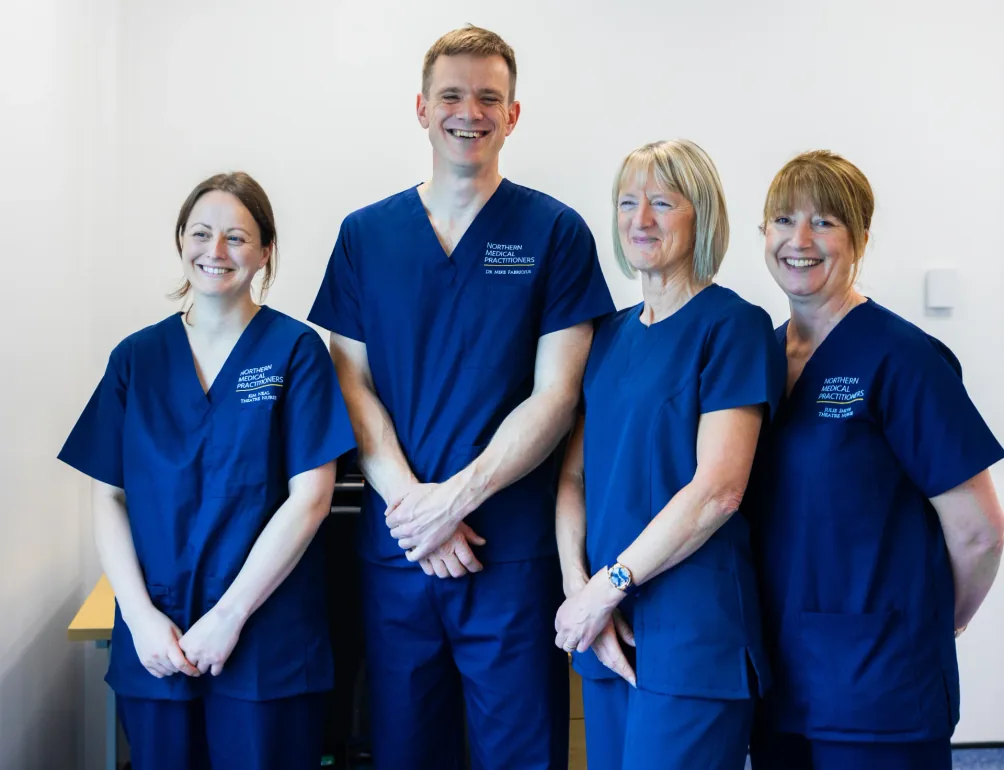
All procedures are carried out by surgically-trained doctors, with appropriate consent, aseptic technique, and aftercare. Pricing varies according to the location of the tags, the complexity of the procedure, and the time required to carry this out safely.

​​What is a Skin Tag?

Skin tags (acrochordons) are small, soft growths of skin that commonly develop in areas of friction such as the neck, armpits, groin, under the breasts, or around the eyes. They vary in size and number and may occur singly or in clusters. Skin tags are usually straightforward to diagnose clinically and can usually be removed safely in an outpatient medical setting.
Why Remove a Skin Tag?

Many people seek removal because skin tags become repeatedly irritated, catch on clothing or jewellery, bleed, or cause discomfort. Others choose removal for cosmetic reasons, particularly when skin tags are visible or located on sensitive areas such as the face, eyelids, or groin/genitals. The decision to remove a skin tag is personal and based on symptoms, location, and patient preference.

How are Skin Tags Removed?

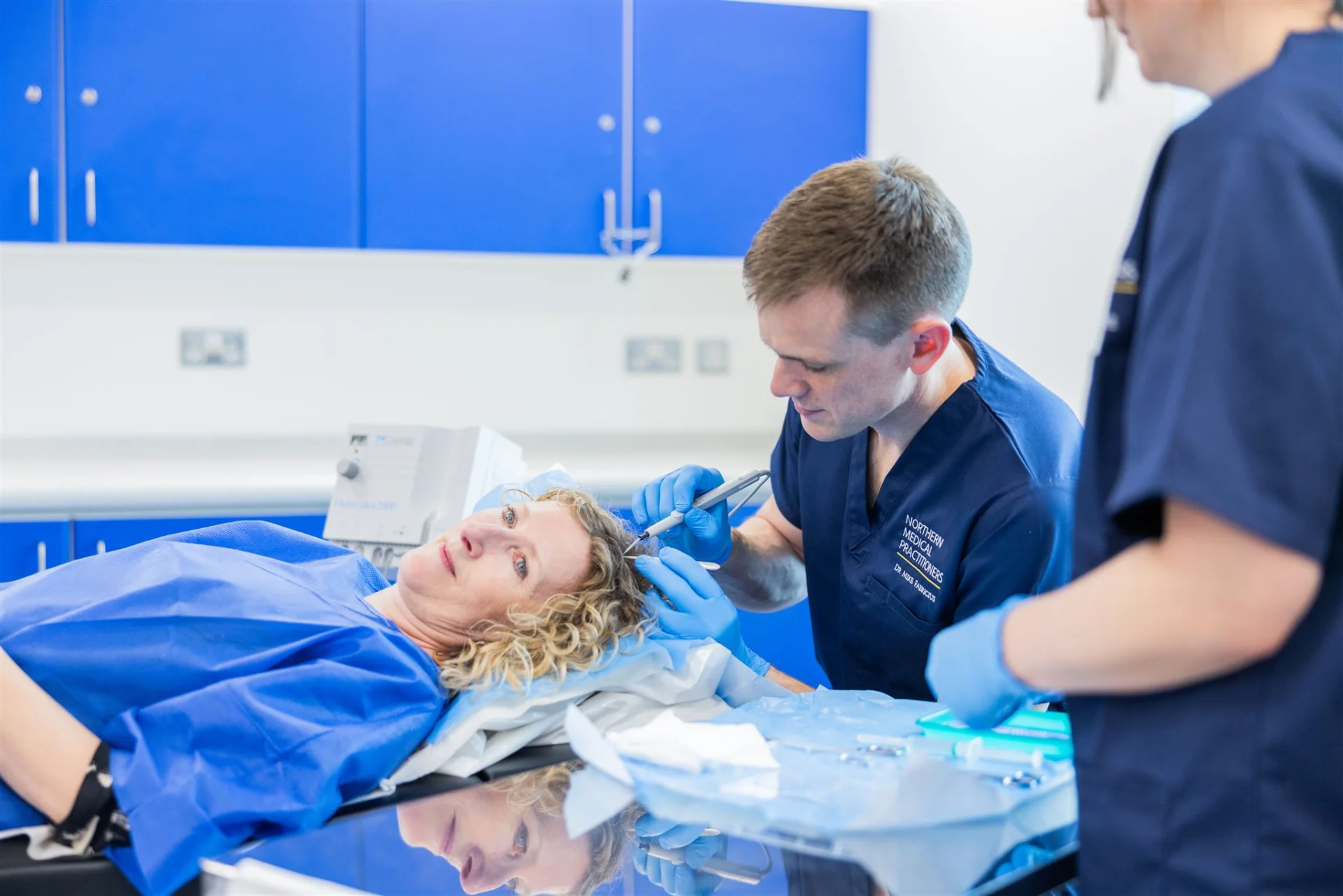
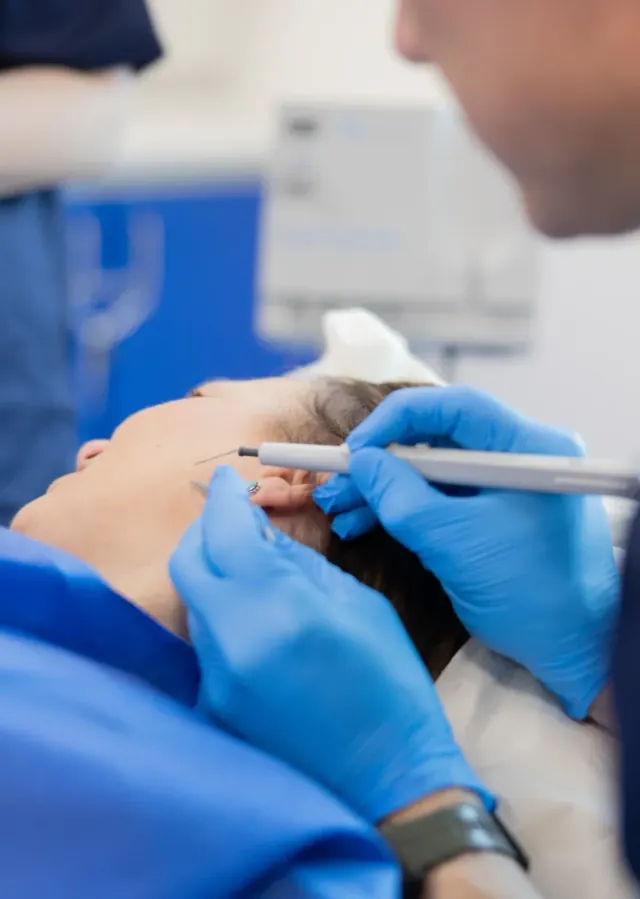
Removal is tailored to the size, number, and location of the skin tags. Smaller lesions are commonly treated with electrocautery, while larger or more complex tags may require surgical excision. Local anaesthetic is used for all procedures. We routinely remove skin tags from sensitive and anatomically challenging areas, including around the eyes, eyelids, and genital region, using techniques and equipment designed to minimise bleeding and discomfort.

Who is this suitable for?

Most benign skin tags can be treated in clinic, including those in sensitive areas that many non-medical providers are unable to manage. Each lesion is assessed individually to confirm suitability for removal. Where there is any diagnostic uncertainty, biopsy or referral may be advised. Photographs can be reviewed in advance to help determine suitability and likely treatment approach.

Booking Your Skin Tag Removal

If you are considering skin tag removal, we recommend submitting photographs in advance wherever possible.

This is particularly helpful for skin tags on the face, eyelids, genital region, or where there are multiple lesions. Reviewing images beforehand allows us to confirm whether the lesions are suitable for removal in our clinic, advise on the most appropriate treatment approach, and give an indication of likely pricing and appointment length.Β 

Β Skin tag removal is a private procedure and is not funded by the NHS

Price List

Skin Tag Removal Pricing

Consultation fees are included in all procedure prices
Initial call
Online Assessment of Photos

Free

Body skin tag removal
First Skin Tag Removal

250

Body skin tag removal
Additional Skin Tag Removal

30

Facial Skin Tag Removal
First Skin Tag Removal

350

Eyelid Skin Tag Removal
First Skin Tag Removal

400

Eyelid Skin Tag Removal
Additional Skin Tag Removal

100

Genital Skin Tag Removal
First Skin Tag Removal

350

Genital Skin Tag Removal
Additional Skin Tag Removal

75

Complex skin tags
Surgical Excision

475

Frequently Asked Questions

Skin Tag Removal FAQ

Do skin tags need to be removed?

No. Skin tags are benign and do not require treatment unless they are causing symptoms or concern. Removal is entirely optional and based on patient preference.

Yes. We routinely remove skin tags from around the eyes and eyelids. These procedures require careful technique due to the delicate anatomy and are performed in a medical setting by surgically trained doctors.

Skin tags on the eyelids and around the eyes require particular care due to the delicate anatomy and the risk of bleeding and bruising. Removal is performed using techniques specifically chosen for this area, with careful haemostasis and protection of the surrounding skin. Procedures are carried out in a medical setting by surgically trained doctors, with the aim of minimising discomfort and achieving good cosmetic results.

Yes. Genital skin tags can be removed in clinic. These procedures are carried out with particular attention to privacy, dignity, and appropriate positioning, using techniques suitable for sensitive skin.

Most patients experience minimal discomfort. Local anaesthetic is used where appropriate, particularly for sensitive areas or larger lesions. Some mild soreness or tenderness afterwards is normal.

Recovery is usually straightforward. Mild redness, scabbing, or bruising can occur depending on the area treated. Most patients return to normal activities the same day. Specific aftercare advice is provided after treatment.

Histology is not routinely required for typical skin tags. If a lesion requires surgical excision or there is any diagnostic uncertainty, histology may be recommended and charged separately.

Yes, multiple skin tags can often be treated in a single appointment, depending on their size, number, and location. There is a limit to how many can be safely treated in one visit, and some cases may require staged treatment.

No. Skin tag removal is considered a cosmetic or non-essential procedure and is not funded by the NHS. Our service is offered on a private basis.

Yes. We remove skin tags from the male and female genital areas, including penis, scrotum, vulva or vagina. Our team are experienced in various procedures in these areas for both men and women.

Anal skin tagΒ excision is also available, further information here.

It is very unlikely that we are unable to offer treatment for your skin tag, as we are able to remove them from all locations including around the eyes and the genital and anal areas. If we are unable to help, we will be able to arrange referral to a specialist colleague.