mINOR sURGERIES

Mole Removal Clinic

We offer medical assessment and surgical removal of moles at our Blaydon clinic, with most suitable cases managed in a single visit.

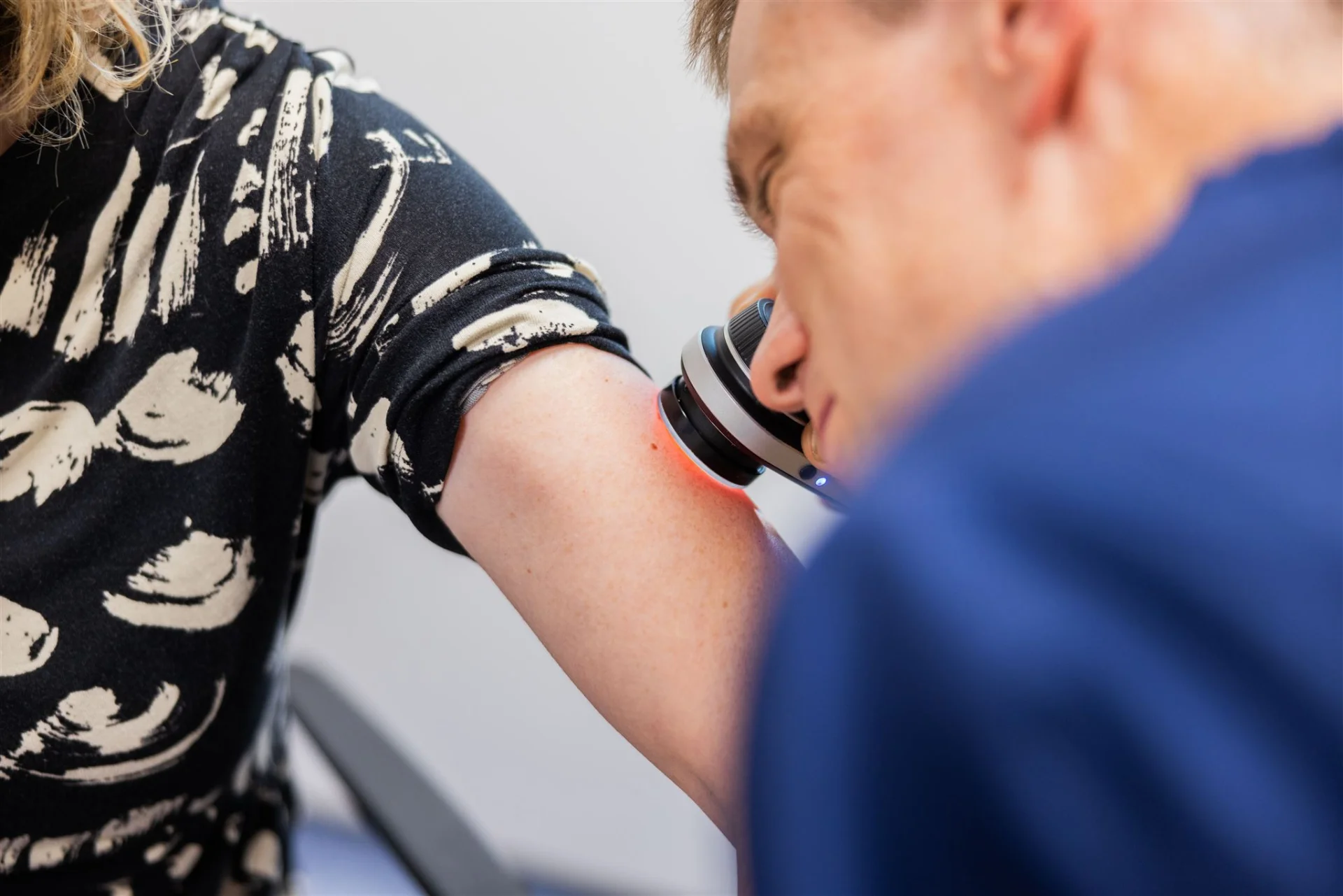
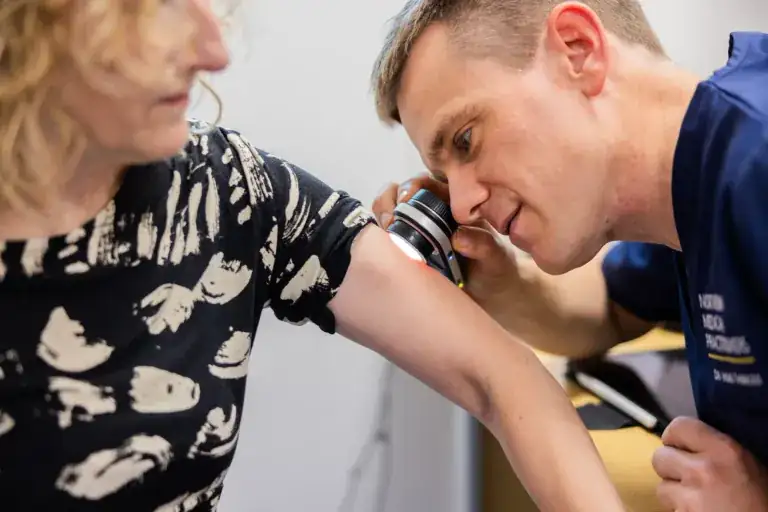
Assessment includes careful clinical examination and dermoscopy to support evaluation of the lesion.Β 

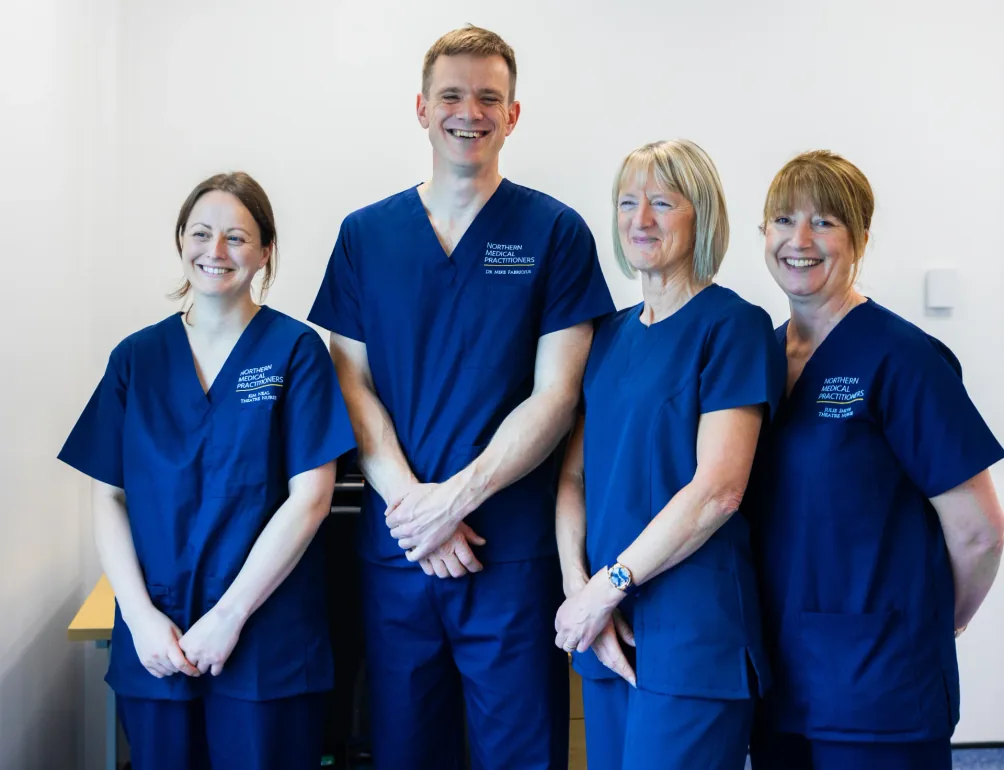
All procedures are performed by an surgically-trained doctor in our modern clinical facilities, with a focus on safety, clear communication and good cosmetic outcomes.

The cost to remove one mole, including consultation and the procedure, is Β£350. Additional moles removed at the same appointment are charged at Β£100 each.

Medical assessment of moles

All mole removals begin with a clinical assessment by an experienced clinician. This includes taking a history, examining the lesion and assessing whether removal is appropriate in a private setting.Β 

We use magnification and special lighting (dermoscopy) to aid examination of moles. If a mole appears suspicious, we will explain this clearly and arrange appropriate NHS referral rather than proceeding privately.
Reasons for mole removal

Moles are commonly removed because they catch on clothing, bleed, become irritated, or are in a location where they are repeatedly traumatised. Some patients choose removal because a mole is uncomfortable, prone to infection, or causing cosmetic concern. 

We will discuss whether removal is appropriate in your individual case and explain when monitoring or reassurance is a better option.

How mole removal is carried out

When suitable, mole removal is performed under local anaesthetic at our Newcastle clinic.

The technique used depends on the mole and its location and may include shave removal or surgical excision. The procedure is usually quick and well tolerated.

Removed tissue is routinely sent for laboratory (histological) examination, and results are communicated clearly once available.

Aftercare and ongoing care

You will receive clear aftercare advice to support healing and minimise the risk of infection or scarring. Most patients can return to normal activities the same day.

If histology is undertaken, we ensure appropriate follow-up and, if needed, referral for further care. Patient safety and continuity of care are central to our approach.

Booking Your Mole Removal

We offer a free assessment of photographs, allowing one of our clinicians to advise whether an in-person appointment is appropriate and provide an estimated cost where possible. We are only able to remove moles from patients aged 18 or over.

Photo assessment is used to guide next steps and cannot diagnose or exclude skin cancer. If a mole appears concerning, we will advise prompt assessment through the appropriate NHS pathway rather than private removal.

If removal is suitable, you can then book a face-to-face appointment at our Blaydon clinic, with many cases managed in a single visit.

Price List

Mole Removal Pricing

Initial call
Online Assessment of Photos

Free

Mole Removal
Single Mole

350

Mole Removal
Additional moles (same appointment)

100

Histology
External Laboratory Fee

105

Aftercare
Telephone support

Free

Consultation
Mole assessment consultation (no procedure)

100

Frequently Asked Questions

Mole Removal FAQ

What are Moles?

Moles are benign growths of the skin, and are very common, particularly in fair-skinned people, who often have over 20 of them. Sometimes they are present from birth, but they often they develop during childhood or later life.

A clinical examination, sometimes supported by dermoscopy, can help assess whether a mole appears concerning, but it cannot definitively diagnose or exclude skin cancer. For this reason, moles that are removed are routinely sent for laboratory (histological) examination. If a mole appears suspicious or unsuitable for private removal, we will explain this and arrange appropriate referral through NHS specialist pathways.

Dermoscopy is a non-invasive examination technique that uses magnification and specialised lighting to visualise structures within the skin that are not visible to the naked eye. It can support clinical assessment of moles but does not replace dermatology review or histological analysis. Dermoscopy is used as part of an overall safety-focused assessment, not as a diagnostic test on its own.

As our standard of care, moles removed at our clinic are routinely sent for histological examination. This allows the tissue to be examined in a laboratory and provides the most reliable information about the nature of the lesion. In rare circumstances, patients may choose to opt out after discussion, but this is not our default approach and will be carefully documented.

The procedure fee covers your consultation, the removal itself, and follow-up care. Histological examination is performed by an independent external laboratory and is charged separately. We pass this cost on at cost, as part of our safety-first approach.

We do not bundle histology into the procedure fee, as not all clinics routinely send moles for laboratory examination. Separating the cost allows transparency and ensures patients understand exactly what they are paying for.

If a mole appears significantly suspicious, we will not proceed with private removal. Instead, we will explain our concerns and arrange referral through the appropriate NHS urgent skin cancer pathway. This ensures you receive the right level of specialist assessment and care.

Photographs can help guide next steps but cannot diagnose or exclude skin cancer. Photo assessment allows us to advise whether an in-person appointment is appropriate and, in some cases, to provide an estimated cost for removal.

Please send:

  • one clear close-up image of the mole

  • one photo taken from further away to show its location

Good natural light and sharp focus are important. If the mole is hard to reach, asking someone else to take the photo can help.

No. It is not possible to diagnose or exclude skin cancer from photographs alone. If there is any concern, we will advise appropriate in-person assessment or NHS referral, but submitting photographs to us does not constitute a remote medical consultation.

Yes. There is no charge for photo assessment or initial guidance. Any fees for consultation or removal will be explained clearly in advance.

Mole removal is performed under local anaesthetic, which numbs the area. You may feel a brief sting from the injection, but the procedure itself is usually comfortable. Some mild soreness afterwards is normal and can be managed with simple pain relief if needed.

Any procedure that breaks the skin can leave a scar. We use appropriate techniques to minimise scarring and will discuss likely cosmetic outcomes before proceeding. Scarring varies depending on the size and location of the mole and how the skin heals.

Yes. If multiple moles are suitable for removal, they can often be treated in the same appointment. This will be discussed during your consultation, including costs and aftercare.

No GP referral is required. You can book directly for a private mole assessment. If NHS referral is needed following assessment, we will guide you through that process.

No. We are only able to treat patients aged 18 or over.