mINOR sURGERIES

Dermatofibroma Removal in Newcastle

Dermatofibromas are common benign skin lumps that often develop on the arms or legs, sometimes following minor trauma such as an insect bite. They are usually firm to the touch and may appear pink, brown or darker than the surrounding skin. Although harmless, dermatofibromas can be uncomfortable, catch on clothing or shaving, or cause cosmetic concern.

At Northern Medical Practitioners in Newcastle, we offer assessment and removal of suitable dermatofibromas in a medical setting for patients who prefer removal rather than ongoing monitoring.

IMG 3481 1024x683 2

Dermatofibromas explained

A dermatofibroma is a benign fibrous skin lesion that develops within the deeper layers of the skin. They are often firm, well defined and may dimple when pinched.

Dermatofibromas are not skin cancer and do not spread, but they rarely resolve on their own and may persist indefinitely once formed.
Why people choose removal

Dermatofibromas are commonly removed because they are painful when pressed, catch on clothing or shaving, or are cosmetically bothersome. Some patients choose removal because the lesion is prominent or repeatedly draws attention.

Removal is a personal choice, and we will discuss whether it is appropriate in your individual case.

How removal is carried out

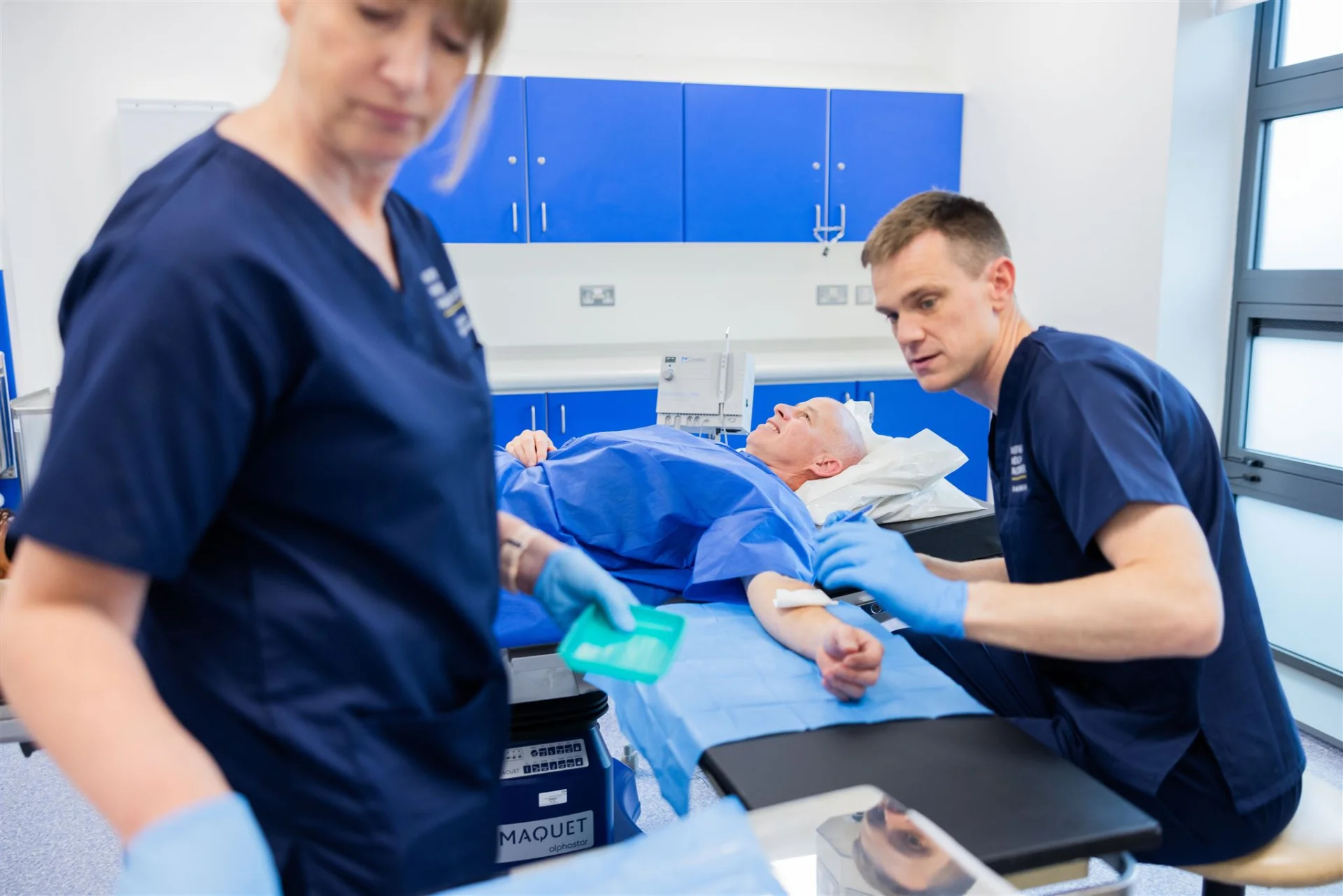
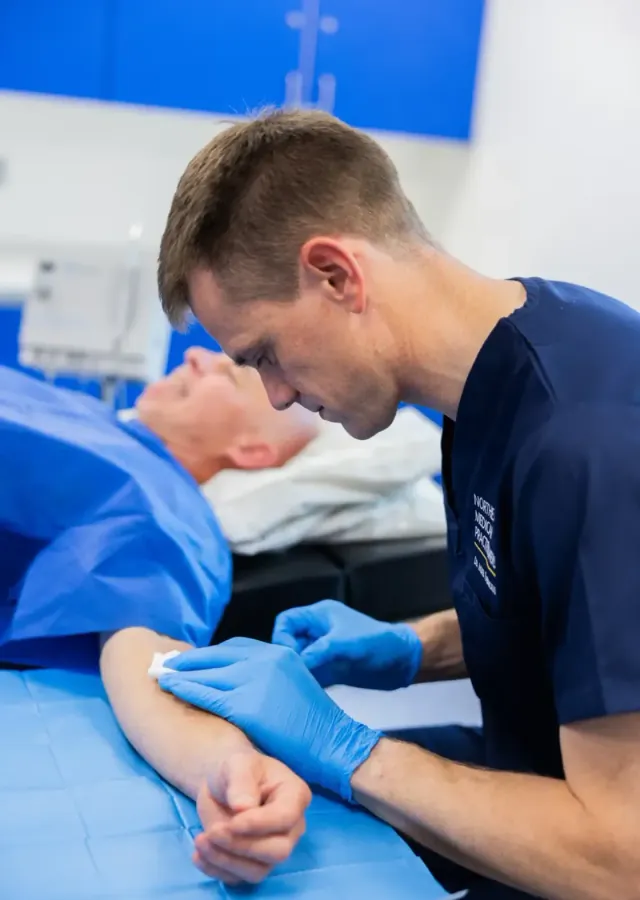
Removal is usually performed under local anaesthetic by surgical excision, as dermatofibromas extend into the deeper skin layers. This allows complete removal of the lesion. Where appropriate, removed tissue is sent for laboratory (histological) examination.

The procedure is typically straightforward, and most patients return to normal activities shortly afterwards.

Aftercare and healing

After removal, stitches are usually required and will be removed or dissolve depending on the technique used. Healing typically takes a few weeks, and a scar is expected.

We will discuss scar appearance beforehand and provide clear aftercare advice to support good healing.

Booking Your Dermatofibroma Removal

If you are considering removal of a dermatofibroma, you can book directly for a private appointment at our Blaydon clinic. Many patients are suitable for assessment and treatment in a single visit.

We also offer a free assessment of photographs, which can help confirm whether a lesion appears suitable for private removal and provide an estimated cost where possible. Photo assessment is used to guide next steps and does not replace face-to-face clinical examination.

Price List

Dermatofibroma Removal Pricing

Dermatofibromas require surgical excision and are priced in line with mole excision procedures
Initial call
Online Assessment of Photos

Free

Procedure
First Dermatofibroma Removal

475

Procedure
Additional Dermatofibroma Removal

350

Samples
Histology Analysis of Tissue

105

Aftercare
Follow-up appointment (if required)

Free

Consultation
Face to Face Consultation (no procedure)

100

Frequently Asked Questions

Dermatofibromas FAQ

Questions about treatment and aftercare

What is a dermatofibroma?

A dermatofibroma is a common, benign fibrous skin lump that develops within the deeper layers of the skin. They are often firm, well defined, and may dimple when pinched. Dermatofibromas are not skin cancer and do not spread to other parts of the body.

No. Dermatofibromas usually persist once they have formed and do not resolve spontaneously. For this reason, removal is the only way to get rid of a dermatofibroma if it is bothersome.

Dermatofibromas extend into the deeper layers of the skin, which means surface treatments are not effective. Complete removal usually requires surgical excision under local anaesthetic. This allows the lesion to be removed in full.

Dermatofibromas are commonly removed because they are painful when pressed, catch on clothing or shaving, or cause cosmetic concern. Some patients choose removal because the lesion is prominent or repeatedly draws attention.

Removal is optional and based on your preference.

Yes. Because dermatofibromas sit deep in the skin, a scar should be expected following removal. We will discuss likely scar appearance before proceeding and use appropriate techniques to achieve the best possible cosmetic outcome. For most patients, the scar is preferable to the original lump.

Removed dermatofibromas are often sent for laboratory (histological) examination. This will be discussed with you before treatment and forms part of a doctor-led surgical approach.

Dermatofibromas often have typical clinical features, and are readily identifiable using dermoscopy, but no assessment is infallible. If a lesion appears atypical or unsuitable for private removal, we will explain this and advise appropriate referral rather than proceeding.

Yes. We offer a free photo assessment, which can help confirm whether a lesion appears suitable for private removal and provide an estimated cost where possible. Photo assessment is used to guide next steps only and does not provide a diagnosis or exclude skin cancer.

Please send:

  • one clear close-up photo of the lesion

  • one photo taken from further away to show its location on the body

If the lesion is small, a close, well-focused image is particularly important.

For best results:

  • use good natural light

  • ensure the image is sharp and in focus

  • avoid shadows or glare

  • keep the camera steady

  • ask someone else to take the photo if the area is hard to reach

Clear photos help us give clearer guidance.

No. It is not possible to diagnose or exclude skin cancer from photographs alone. If there is any concern based on the images or your description, we will advise appropriate in-person assessment or referral rather than private removal.