
What is knee osteoarthritis?
Knee osteoarthritis is a degenerative joint condition involving progressive loss of articular cartilage, changes to the underlying bone, and low-grade inflammation within the joint. Over time, this can result in joint space narrowing, osteophyte formation, and altered joint mechanics. While often described as βwear and tearβ, osteoarthritis is a complex biological process influenced by factors such as age, genetics, previous injury, muscle strength, body weight, and joint loading. The severity of symptoms does not always correlate closely with X-ray findings, which is why careful clinical assessment is central to management.

Symptoms and functional impact?
Common symptoms include activity-related knee pain, stiffness after rest or on first moving in the morning, swelling, and reduced range of movement. Some patients notice clicking, grinding, or a sense of instability. As symptoms progress, activities such as walking distances, climbing stairs, standing for prolonged periods, or exercising may become increasingly difficult. Knee osteoarthritis can also disrupt sleep and reduce confidence in movement, contributing to reduced activity levels over time.
Assessment and diagnosis
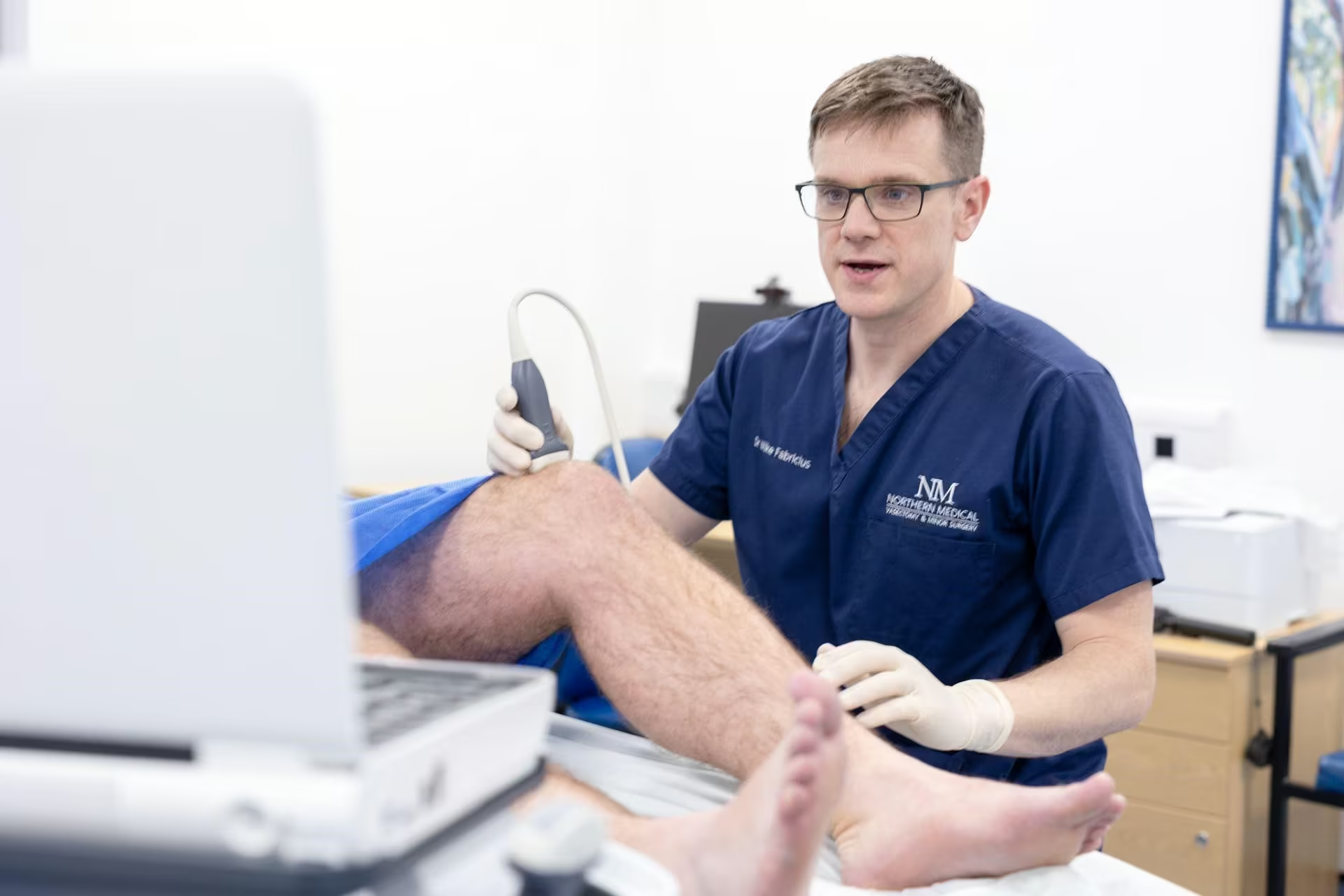
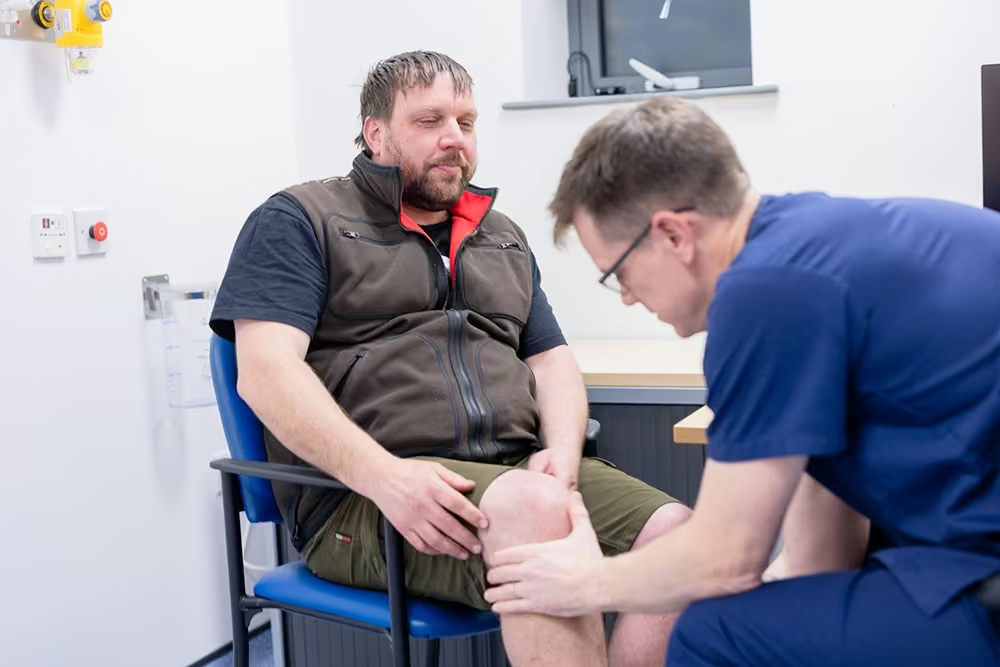
Diagnosis is primarily clinical, based on a detailed history and physical examination. Imaging, usually plain X-ray, can help confirm osteoarthritic changes and assess severity but is not always required initially. MRI is reserved for selected cases where symptoms are atypical or alternative joint problems are suspected. Assessment focuses on pain pattern, functional limitation, alignment, muscle strength, and contributing biomechanical factors, as these guide treatment decisions more reliably than imaging alone.
Treatment options
Initial management often includes simple measures such as maintaining movement, activity modification, and appropriate use of analgesia. Many patients presenting to our clinic have already completed a course of physiotherapy without adequate symptom relief. For those with ongoing symptoms, injection treatments may be considered as part of a broader management plan. These can include corticosteroid injections for short-term pain relief, hyaluronic acid injections in selected cases, and biologically derived autologous injection therapies prepared from the patientβs own blood, such as platelet-rich plasma (PRP), where appropriate. Evidence for these treatments varies, and benefits are typically modest and patient-specific. Focused shockwave therapy (FSWT) may be considered in a small subset of patients, particularly where pain appears to arise from peri-articular soft tissues rather than advanced joint degeneration. Surgical options, including knee replacement, are considered when symptoms remain severe despite appropriate non-operative care.