
Condition

Understanding Plantar Fasciitis

Plantar fasciitis is a common cause of heel pain, usually felt as sharp or aching discomfort under the heel, particularly with the first steps in the morning or after periods of rest. It is caused by overload and micro-damage to the plantar fascia, a thick band of connective tissue that supports the arch of the foot.

Symptoms often develop gradually and can persist for months if not addressed. While many cases improve with time and conservative measures, some people develop chronic plantar fasciitis that significantly affects daily activity and exercise. At Northern Medical, plantar fasciitis is assessed and managed as a musculoskeletal loading problem, with treatment tailored to symptom duration, severity, and response to previous care.
Plantar Fasciitis 2

What causes plantar fasciitis?

Plantar fasciitis is usually caused by repetitive overload of the plantar fascia rather than inflammation alone. Contributing factors include sudden increases in activity, prolonged standing, reduced ankle mobility, poor load tolerance of the tissue, and altered foot biomechanics.

It is common in runners, people who are on their feet for long periods, and those returning to activity after a period of reduced fitness. Symptoms may persist when tissue healing stalls and the fascia becomes sensitised. Identifying and addressing these contributing factors is an important part of effective treatment.
How is plantar fasciitis diagnosed?

Plantar fasciitis is primarily a clinical diagnosis based on symptoms and physical examination. Pain is typically localised to the underside of the heel and is often worse with the first steps in the morning or after rest.

Imaging is not always required, but ultrasound or MRI may be used in selected cases to confirm the diagnosis, assess tissue changes, or exclude other causes of heel pain. Imaging can also help guide treatment decisions in more persistent or atypical cases.

Shockwave therapy for plantar fasciitis

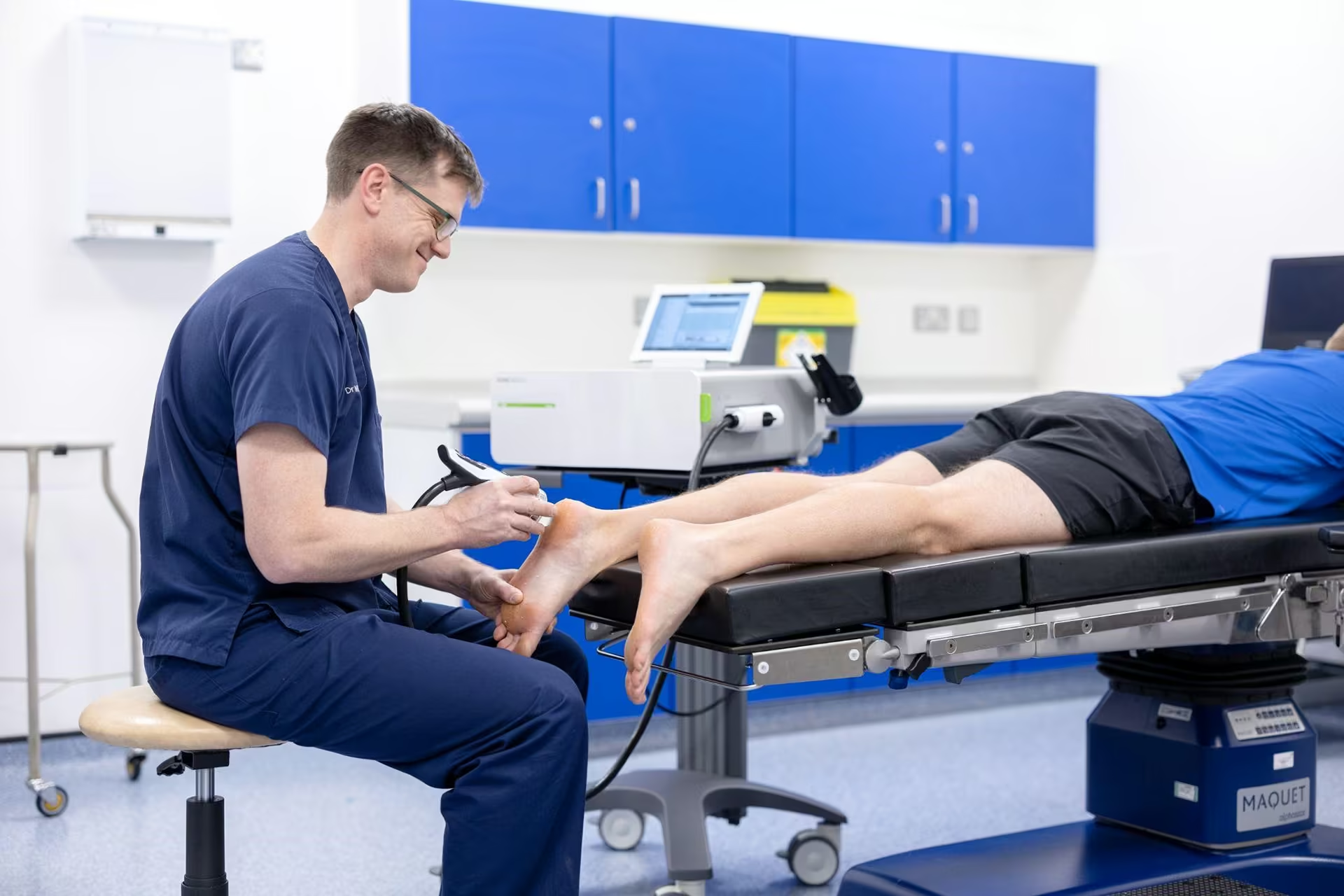
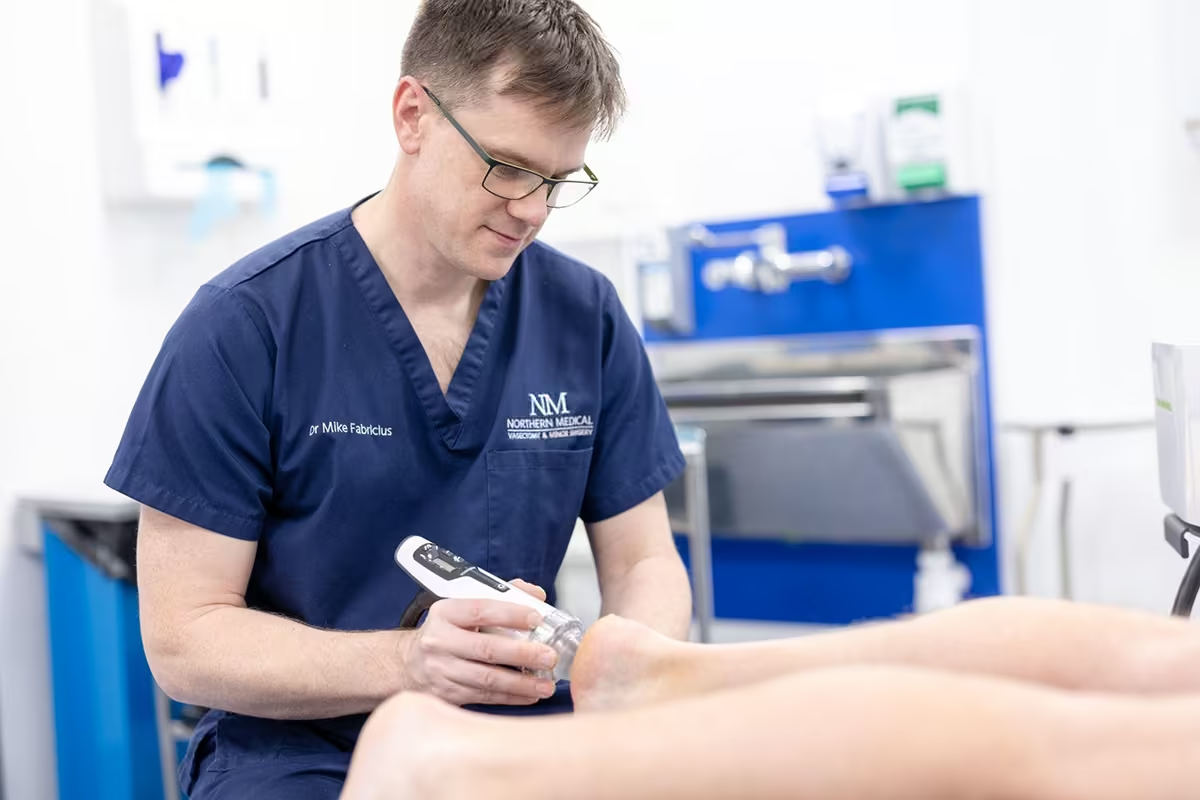
Focused shockwave therapy is a well-established treatment option for chronic plantar fasciitis that has not responded to conservative management. It works by delivering targeted acoustic energy to the plantar fascia, stimulating biological healing processes and reducing pain over time.


Shockwave therapy is delivered in clinic, does not involve injections or anaesthetic, and usually forms part of a short course of treatment. Clinical evidence supports its use for chronic plantar fasciitis, particularly where symptoms have been present for several months. Improvement is typically gradual and occurs alongside appropriate activity modification and rehabilitation.

Injection therapy and other treatment options

For patients with persistent or severe symptoms, injection therapy may be discussed as part of a broader treatment plan. Different injection options are used for different clinical situations, and the potential benefits and risks are assessed carefully during consultation.


Injection treatments are not offered routinely and are considered alongside other evidence-based measures, including shockwave therapy and structured loading programmes. The aim is to reduce pain sufficiently to allow effective rehabilitation and long-term recovery, rather than provide short-term symptom relief alone.

Price List

Pricing

Consultation
Initial Remote Consultation

Free

Consultation
Face to Face Assessment

100

Focused Shockwave Therapy
Course of 4 Treatments

540

Focused Shockwave Therapy
Course of 6 Treatments

720

Injection Therapy
Ultrasound-Guided Steroid Injection

270

Injection Therapy
Advanced Treatments

POA

Frequently Asked Questions

Plantar Fasciitis FAQs

What is plantar fasciitis?
Plantar fasciitis is a common cause of heel pain caused by overload and micro-damage to the plantar fascia, a thick band of connective tissue supporting the arch of the foot. Pain is typically felt under the heel and is often worse with the first steps in the morning or after periods of rest.
Many cases improve over several months with appropriate load management and rehabilitation. However, symptoms can persist for longer, particularly if contributing factors are not addressed. Chronic plantar fasciitis is usually defined as symptoms lasting longer than three to six months.
A scan is not always required. Plantar fasciitis is usually diagnosed clinically based on symptoms and examination. In Newcastle, imaging such as ultrasound or MRI may be recommended in persistent or atypical cases to confirm the diagnosis or exclude other causes of heel pain.
Despite the name, plantar fasciitis is not primarily an inflammatory condition, especially in long-standing cases. It is better understood as a load-related fascia disorder, where tissue healing has stalled. This understanding guides treatment towards rehabilitation and load management rather than rest alone.

Shockwave therapy has been shown to reduce pain and improve function in chronic plantar fasciitis that has not responded to conservative treatment. At Northern Medical in Newcastle, focused shockwave therapy is offered following clinical assessment to ensure it is appropriate for your symptoms.

Injection therapy may be considered in selected cases, particularly where pain is limiting rehabilitation. Different injection options exist, and suitability depends on individual clinical factors. These options are discussed during consultation as part of a broader treatment plan at our Newcastle clinic.

Most people can continue walking and normal daily activities, but high-impact exercise may need to be modified temporarily. Rehabilitation and progressive loading are important to support recovery. Your clinician in Newcastle will advise on appropriate activity levels based on your symptoms.
Recurrence can occur, particularly if contributing factors such as load management, footwear, or strength deficits are not addressed. Ongoing rehabilitation and gradual return to activity help reduce the risk of symptoms returning.
You should consider specialist assessment if heel pain persists for several months, significantly limits activity, or does not improve with initial conservative measures. Assessment at Northern Medical in Newcastle helps confirm the diagnosis and guide evidence-based treatment options.

Rehabilitation and Progressive Loading

Rehabilitation is a central part of effective treatment for plantar fasciitis. While treatments such as shockwave therapy or injection therapy can reduce pain and support tissue recovery, long-term improvement depends on restoring the plantar fascia’s ability to tolerate load.

Rehabilitation usually focuses on progressive loading of the plantar fascia and calf complex, alongside addressing contributing factors such as ankle stiffness, strength deficits, and activity patterns. Exercises are introduced gradually and progressed over time to encourage healthy tissue adaptation without provoking flare-ups.

At Northern Medical, rehabilitation advice is integrated into your treatment plan. Where more structured or supervised rehabilitation is needed, we can coordinate care with one of our recommended physiotherapy practices. This ensures that pain-modifying treatments and rehabilitation are aligned, supporting safer return to normal activity and reducing the risk of recurrence.