
Greater Trochanteric Pain Syndrome (GTPS)

Condition

Understanding Greater Trochanteric Pain Syndrome

Greater trochanteric pain syndrome (GTPS) is a common cause of lateral hip pain, often felt over the outside of the hip and sometimes radiating down the thigh. It is frequently worse when lying on the affected side, walking, climbing stairs, or standing for long periods.

GTPS is not simply β€œhip bursitis” and is now understood primarily as a tendinopathy of the gluteal tendons, often with associated compression and overload at the greater trochanter. Symptoms can persist for months and significantly affect sleep, mobility, and quality of life. At Northern Medical, GTPS is assessed and managed as a load-related musculoskeletal condition, with treatment tailored to symptom duration, functional impact, and response to previous care.
GTPS 2

What causes GTPS?

GTPS develops when the gluteal tendons are exposed to repetitive overload and compression that exceeds their capacity to adapt. Contributing factors include prolonged standing, walking on uneven surfaces, reduced hip strength, altered biomechanics, and sustained positions such as side-lying.

It is more common in middle-aged and older adults and occurs more frequently in women. Symptoms may fluctuate but often persist if underlying loading and movement patterns are not addressed. Identifying and modifying these contributing factors is central to effective management.
How is GTPS diagnosed?

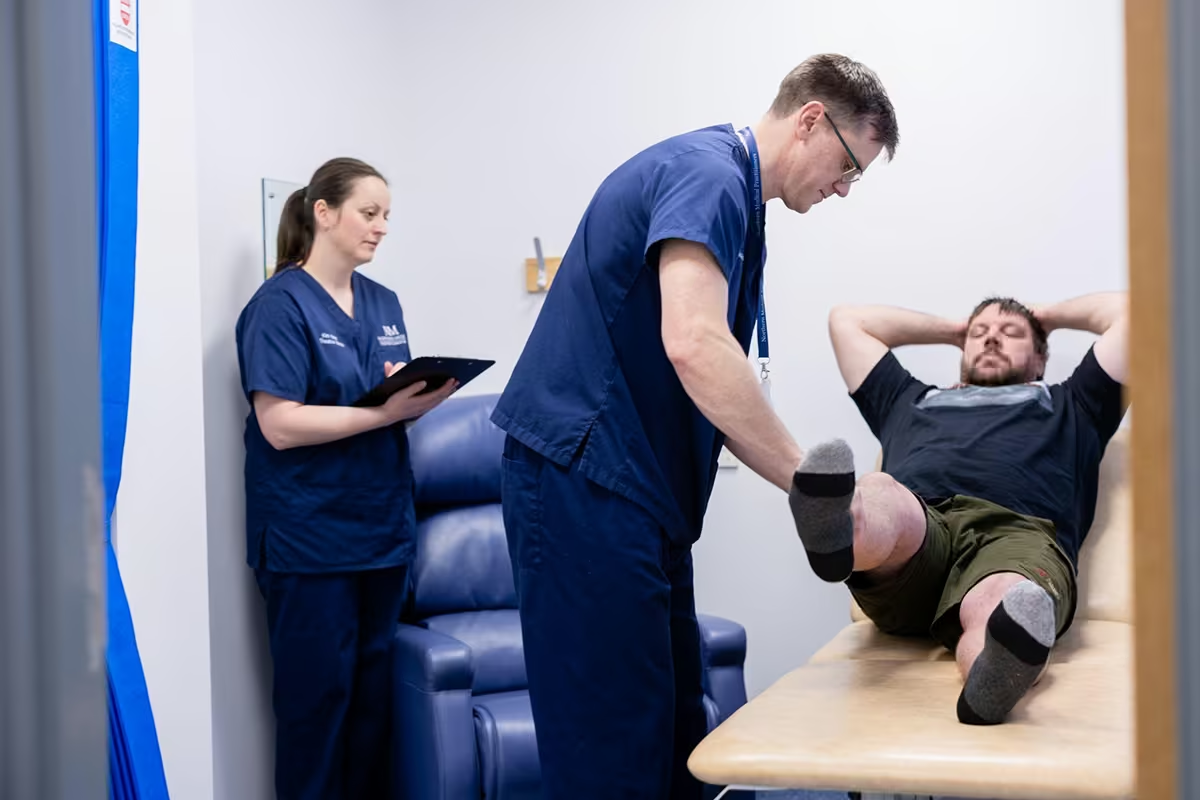
GTPS is primarily diagnosed clinically, based on a combination of symptoms and physical examination findings. Pain is typically localised over the greater trochanter and reproduced with specific movements or loading tests.

Imaging is not always required but may be used in persistent or atypical cases. Ultrasound or MRI can help assess the gluteal tendons and exclude other causes of hip pain. Imaging may also guide treatment decisions in more complex cases.

Shockwave therapy for GTPS

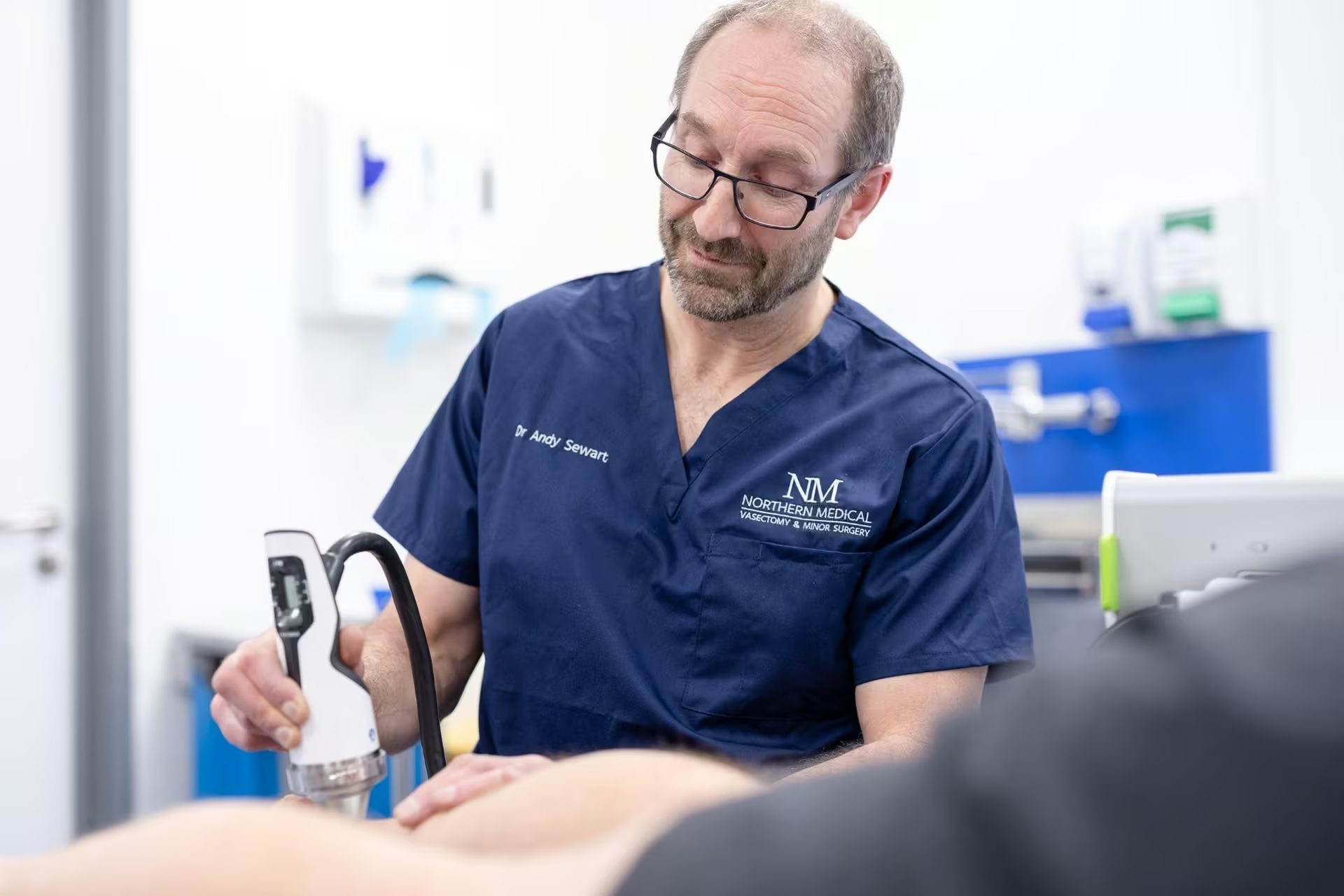
Focused shockwave therapy may be used for chronic GTPS that has not responded to appropriate rehabilitation alone. It works by delivering targeted acoustic energy to the affected tendons, stimulating biological healing processes and reducing pain over time.


Shockwave therapy is delivered in clinic, does not involve injections or anaesthetic, and is usually provided as a short course of treatment. Evidence supports its use in selected cases of chronic GTPS, particularly when combined with a structured rehabilitation programme focused on hip loading and movement control.

Injection therapy and other treatment options

Injection therapy may be considered in selected cases where pain significantly limits rehabilitation or daily function. Different injection options may be discussed during consultation, depending on individual clinical factors.


Injection treatments are not offered routinely and are considered alongside other evidence-based approaches, including shockwave therapy and structured rehabilitation. The aim is to reduce pain sufficiently to allow effective loading and long-term recovery, rather than provide short-term symptom relief alone.

Price List

Pricing

Consultation
Initial Remote Consultation

Free

Consultation
Face to Face Assessment

100

Focused Shockwave Therapy
Course of 4 Treatments

540

Focused Shockwave Therapy
Course of 6 Treatments

720

Injection Therapy
Ultrasound-Guided Steroid Injection

270

Injection Therapy
Advanced Treatments

POA

Frequently Asked Questions

Greater Trochanteric Pain Syndrome (GTPS) FAQs

What is greater trochanteric pain syndrome?
Greater trochanteric pain syndrome (GTPS) is a common cause of pain on the outside of the hip. It is usually related to overload and degenerative changes in the gluteal tendons rather than inflammation of the bursa alone. Pain is often worse when lying on the affected side, walking, climbing stairs, or standing for long periods.
GTPS was historically labelled as hip bursitis, but current evidence shows that most cases involve gluteal tendon pathology rather than isolated bursal inflammation. This is why modern treatment focuses on rehabilitation and load management rather than rest alone.
Improvement usually occurs gradually over several months with appropriate rehabilitation and activity modification. Chronic GTPS is typically defined as symptoms lasting longer than three months. In more persistent cases, additional treatments may be considered to support recovery.
A scan is not always required. GTPS is usually diagnosed clinically based on symptoms and examination. In Newcastle, ultrasound or MRI may be used in persistent or atypical cases to assess the gluteal tendons or exclude other causes of hip pain.
Shockwave therapy may reduce pain and improve function in selected cases of chronic GTPS that have not responded to rehabilitation alone. At Northern Medical in Newcastle, focused shockwave therapy is offered following clinical assessment to ensure it is appropriate for your condition.
Injection therapy may be considered in selected cases where pain significantly limits rehabilitation or daily activities. Different injection options may be discussed during consultation, depending on individual clinical factors. Injections are used cautiously and as part of a broader management plan.
Side-lying often aggravates GTPS, particularly on the affected side. Simple strategies such as avoiding direct pressure, using pillows to support leg position, or modifying sleep posture may help reduce symptoms. These adjustments are often discussed as part of rehabilitation.
Most people can continue walking and daily activities, but painful or aggravating movements may need to be modified temporarily. Progressive loading and strengthening exercises are important for recovery. Your clinician in Newcastle will advise on appropriate activity levels.
GTPS can recur, particularly if loading patterns and aggravating positions are not addressed. Ongoing strength work, movement control, and gradual return to activity reduce the risk of symptoms returning.
You should consider clinical assessment if lateral hip pain persists for several months, affects sleep or daily function, or does not improve with initial conservative measures. Assessment at Northern Medical in Newcastle helps confirm the diagnosis and guide evidence-based treatment.

Rehabilitation and Progressive Loading for GTPS

Rehabilitation is a key component of effective treatment for GTPS. While pain-modifying treatments may help settle symptoms, long-term improvement depends on restoring the gluteal tendons’ ability to tolerate load without excessive compression.

Rehabilitation focuses on progressive strengthening of the hip abductors, improving movement control, and modifying aggravating positions and activities. Exercises are introduced gradually and progressed over time to encourage healthy tendon adaptation.

At Northern Medical, rehabilitation advice is integrated into your treatment plan. Where more structured or supervised rehabilitation is required, we can coordinate care with one of our recommended physiotherapy practices to ensure treatment and rehabilitation are aligned.