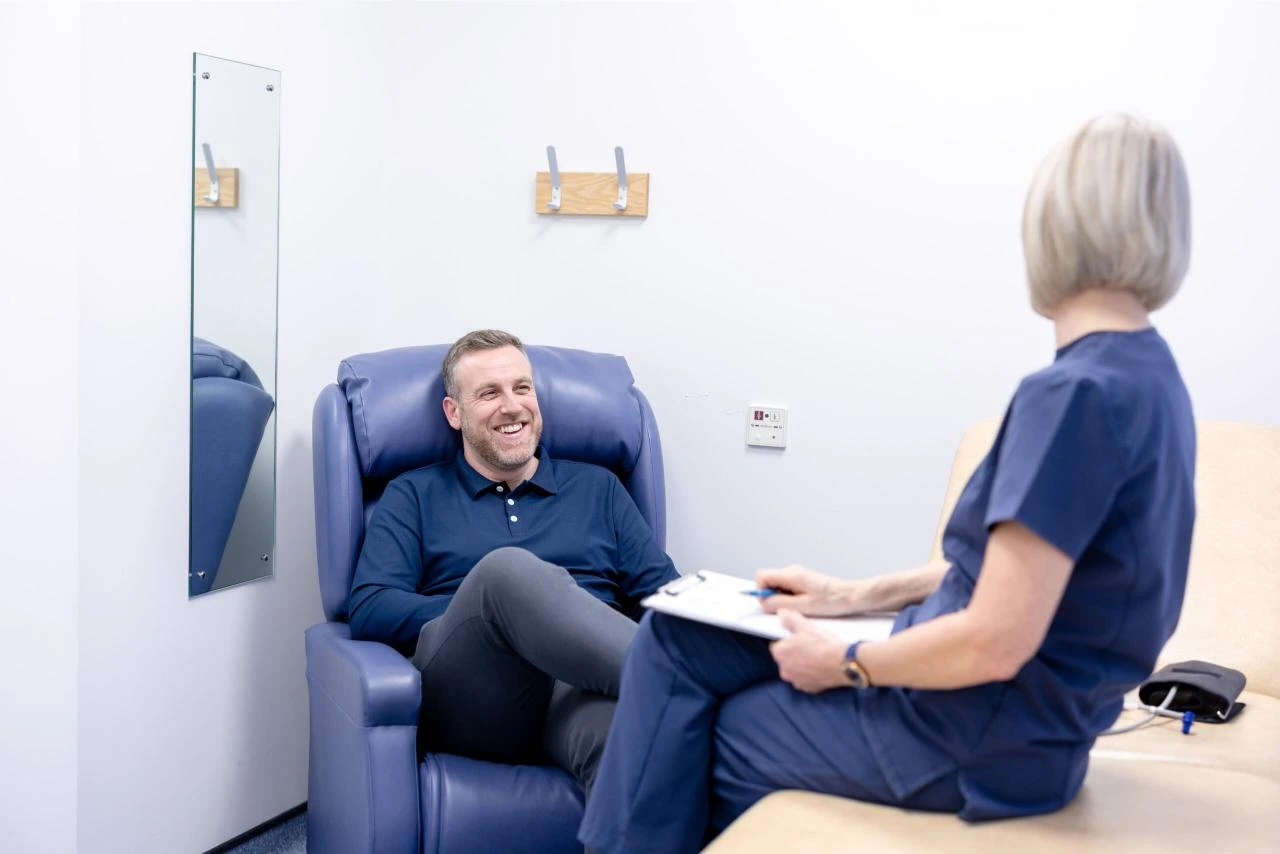
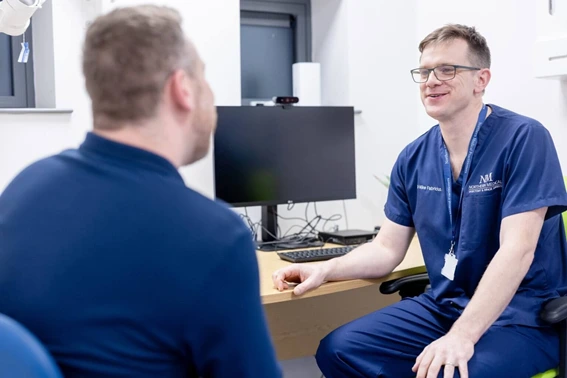
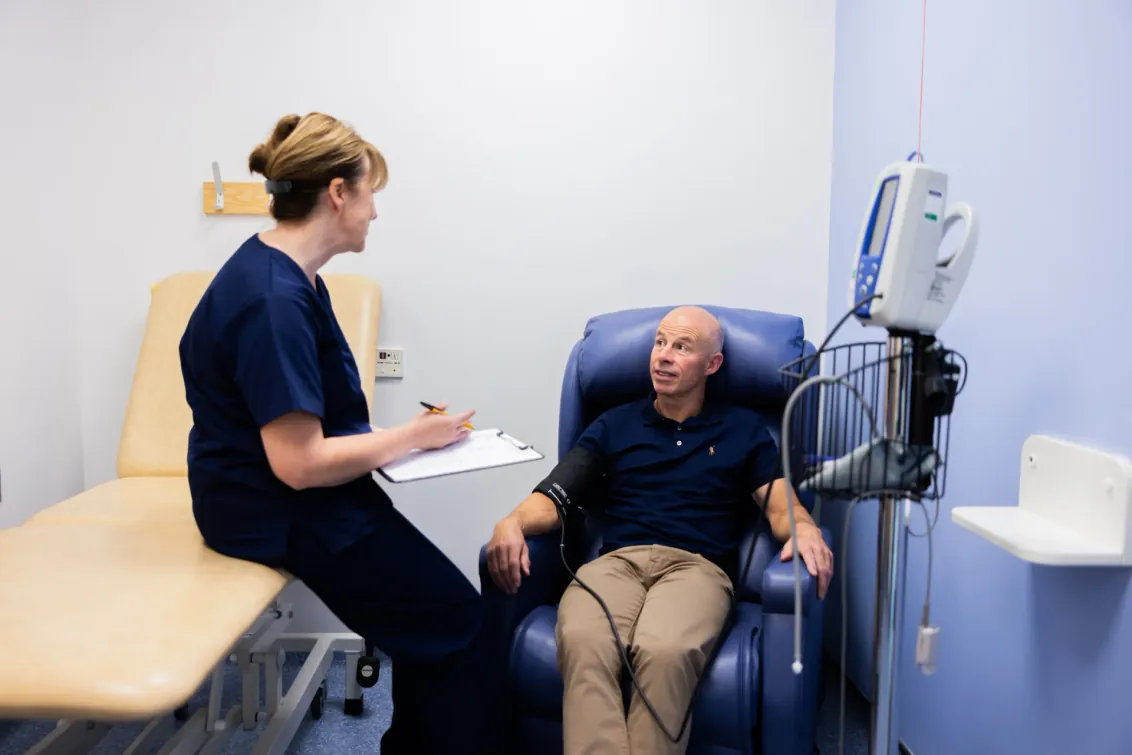
Our clinic provides expert vasectomy surgery in a relaxed and comfortable environment. We understand that choosing a vasectomy is a significant decision, and we offer a free 15-minute consultation with our doctor to help you decide whether it is right for you. Our short waiting times also mean you donβt need to worry about long NHS waiting lists
All procedures are no-scalpel vasectomies, carried out by an experienced doctor with extensive surgical experience, who has performed more than 1,000 vasectomy procedures. The total cost of our vasectomy package is Β£725, which includes the initial consultation, confirmatory semen testing, and a follow-up appointment if needed.
We operate from a modern high-spec Minor Operations Suite at Blaydon Primary Care Centre, just off the A1 near Newcastle upon Tyne.
You can also read reviews from patients who have chosen Northern Medical Practitioners for their vasectomy.
Vasectomy is a highly effective, permanent form of male contraception. It involves interrupting the tubes that carry sperm and does not affect testosterone levels, erections, or sexual performance.
Vasectomy is a common and well-established procedure, chosen by men who are certain they do not want further children. We will ensure you are appropriately informed and comfortable with the decision before proceeding.
Vasectomy is performed under local anaesthetic as a day-case procedure. The area is numbed before treatment, and most men find the procedure more straightforward and comfortable than expected.
The appointment typically lasts under an hour, and you can go home straight after your procedure. We use a modern, minimally invasive approach designed to reduce discomfort and recovery time.
Most men return to normal daily activities within a few days, although strenuous exercise should be avoided for a short period.
Vasectomy does not work immediately. You must continue using contraception until a semen test confirms that the procedure has been successful. We provide clear aftercare instructions and guidance throughout the process.
Vasectomy should be considered permanent. Although reversal is sometimes possible, it is not guaranteed to work, and is not available on the NHS.
For this reason, vasectomy is suitable only for men who are confident in their decision. We encourage you to take time to consider your choice and discuss it with your partner if appropriate.
If you are considering a private vasectomy in Newcastle, we offer a free phone consultation to discuss the procedure, answer questions, and confirm suitability. Many men find this a helpful first step before deciding whether to proceed.
If appropriate, you can then book directly for the procedure at our Blaydon clinic. We provide a doctor-led, discreet service with clear information, no GP referral required, and guidance on recovery and post-vasectomy semen testing.
We encourage you to take time to consider your decision and to book when you feel confident and ready. If you have questions at any stage, our team is happy to help.
Appointments and records are confidential, and we understand the importance of privacy throughout the process.
All the common questions we are asked by patients who come for a no-scalpel vasectomy.
Vasectomy is one of the most effective forms of contraception available.
Once a post-vasectomy semen analysis has confirmed clearance, the risk of pregnancy is very low. The recognised risk of late failure is around 1 in 2,000, meaning vasectomy is over 99.9% effective after confirmation of sterility.
This level of effectiveness is comparable to long-acting reversible methods such as the hormonal intrauterine system (IUS).
It is important to continue using alternative contraception until you have been formally cleared following semen testing.
Yes. We use the no-scalpel technique.
This approach uses a small puncture in the skin rather than a traditional incision. It is associated with reduced bleeding, lower infection risk and quicker recovery compared with older incision-based methods.
We use a modern occlusion technique designed to minimise the risk of the tubes rejoining.
A short segment of the vas deferens is removed, the ends are sealed, and they are separated using fascial interposition. This involves placing a natural tissue layer between the divided ends to reduce the risk of recanalisation.
This approach is supported by clinical evidence and contributes to the very low failure rate when combined with post-vasectomy semen testing.
The procedure itself usually takes around 15-20 minutes. You should expect to be at the clinic for an hour. to allow time for preparation and recovery before going home.
No. Vasectomy does not affect testosterone levels, erections, orgasm, or sexual desire. The only change is that sperm are no longer present in the semen. Sexual function remains the same.
Local anaesthetic is used to numb the area before the procedure. You may feel brief discomfort from the injection, but the procedure itself is usually well tolerated, and many men are surpised at how straight-forward it is.
Some aching, bruising or swelling may be experienced afterwards, and typically settles over a few days.
Most men return to desk-based work within 1β2 days. Strenuous exercise, heavy lifting and sexual activity should be avoided for a short period. We will give you clear aftercare advice to support recovery.
No. Vasectomy does not provide immediate contraception. You must continue using other contraception until post-vasectomy semen analysis (PVSA) confirms that it is safe to stop. We will guide you through this process.
We use an at-home postal semen test, which is performed 16 weeks after the procedure. This allows most patients to provide a sample conveniently at home without attending a clinic. Clear instructions are provided on how to collect and return the sample correctly.
In the majority of cases, patients can be cleared after the first postal test at 16 weeks. Clearance is only given if strict laboratory criteria are met. If any sperm are detected, further testing is required before contraception can be stopped.
This does not mean the procedure has failed.
The first postal semen test is included as part of your care. If further testing is required, this is charged separately. This approach ensures that the majority of patients do not subsidise the minority who need additional tests.
Any additional costs will be explained clearly in advance.
If residual sperm are detected, you will be advised to continue contraception and undergo further testing. This may involve:
a repeat at-home postal test (at additional cost), or
providing a fresh sample at a local hospital laboratory, which we can help arrange
We will guide you through the options if this is needed.
Yes. We advise ejaculating 2β3 times per week between the procedure and the semen test at 16 weeks. This helps clear remaining sperm from the system and increases the likelihood of clearance after the first test.
Vasectomy should be considered permanent. Reversal is sometimes possible but is not guaranteed, can be complex, and is not available on the NHS. For this reason, vasectomy is suitable only for men who are confident they do not want future children.
We recommend that hair is trimmed or shaved from at least the front of the scrotum before your appointment. This helps reduce discomfort during the procedure and avoids hairs becoming caught in instruments or stitches.
If you choose to shave, please do so a few days in advance, not on the day of the procedure. Shaving immediately beforehand can slightly increase infection risk and may make the skin more sensitive to the surgical cleaning solution, which can occasionally sting.
Clipping or trimming is often the most comfortable option.
No GP referral is required. You can book directly for a private vasectomy consultation.
Yes. Vasectomy appointments and records are confidential, and we provide a discreet service.
Vasectomy is suitable for adult men who are certain they do not want future children. Resarch shows that men aged under 30 are at higher risk of regretting their decision in the future.
Suitability will be confirmed during your consultation, and you will have the opportunity to ask questions before deciding whether to proceed.
We may suggest an extended cooling-off period in between consultation and procedure for younger patients.