
Condition

Understanding De Quervain’s Tenosynovitis

De Quervain’s tenosynovitis is a common cause of pain on the thumb side of the wrist, often aggravated by gripping, lifting, or twisting movements. It affects the tendons that control thumb movement as they pass through a narrow tunnel at the wrist. Symptoms may develop gradually or follow a period of increased hand use, new activities, or caring duties such as lifting a baby. De Quervain’s tenosynovitis can significantly interfere with work, daily tasks, and recreational activities. Many patients seek assessment when pain persists despite rest or splinting, or when symptoms are affecting function and quality of life.
De Quervains Tenosynovitis 2 copy

What is De Quervain’s Tenosynovitis?

De Quervain’s tenosynovitis is an inflammatory condition affecting the tendons of the first dorsal compartment of the wrist, which move the thumb away from the hand. Thickening of the tendon sheath and surrounding tissues leads to pain and restricted tendon movement. The condition is distinct from arthritis and nerve compression and is localised to the radial (thumb) side of the wrist.


Symptoms and functional impact?

Typical symptoms include pain and tenderness at the base of the thumb and along the thumb side of the wrist. Pain is often worse with gripping, lifting, twisting motions, or repetitive thumb movements. Some patients notice swelling or a catching sensation. Symptoms can make everyday tasks such as opening jars, lifting objects, typing, or caring for children difficult and painful.

Assessment and diagnosis

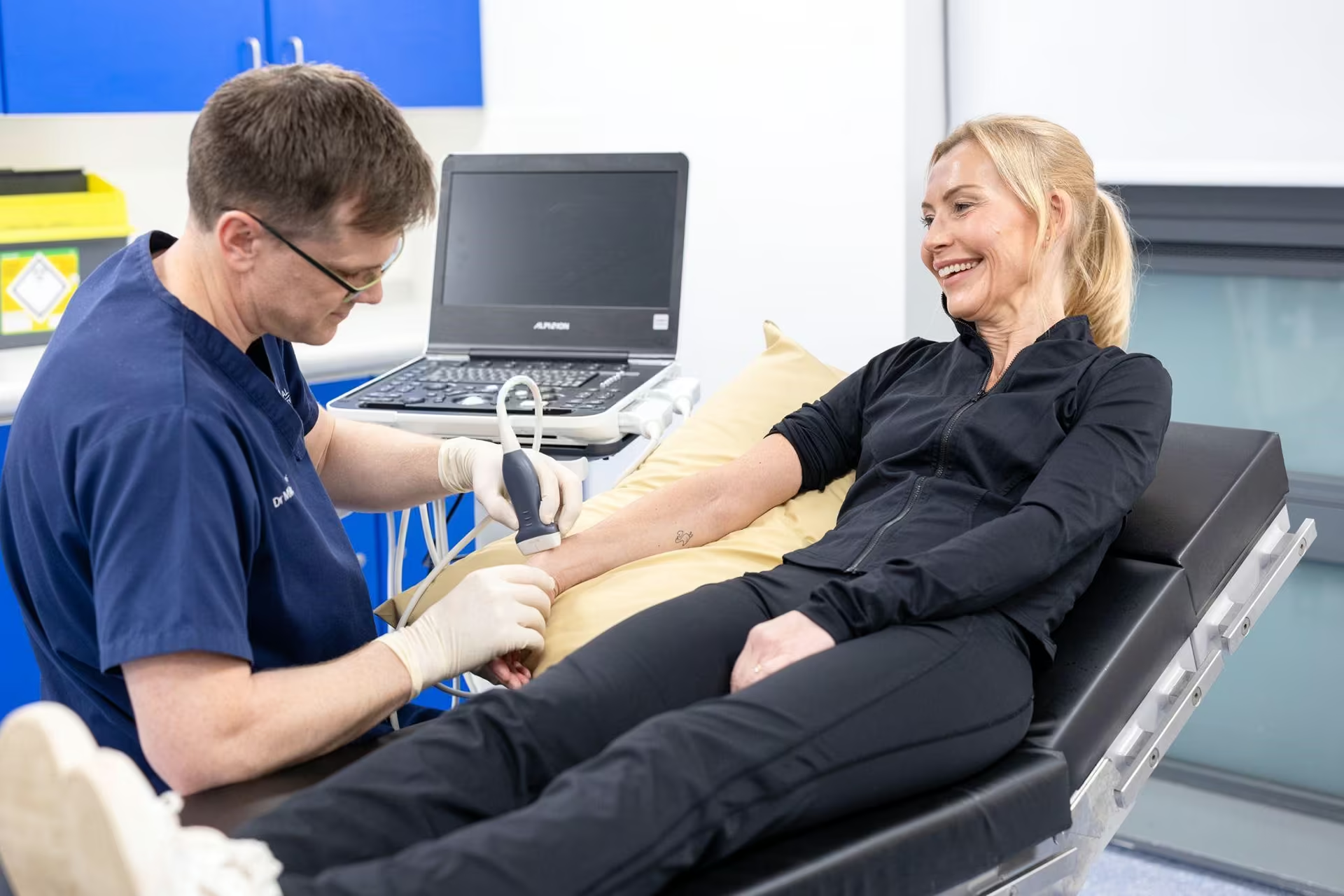
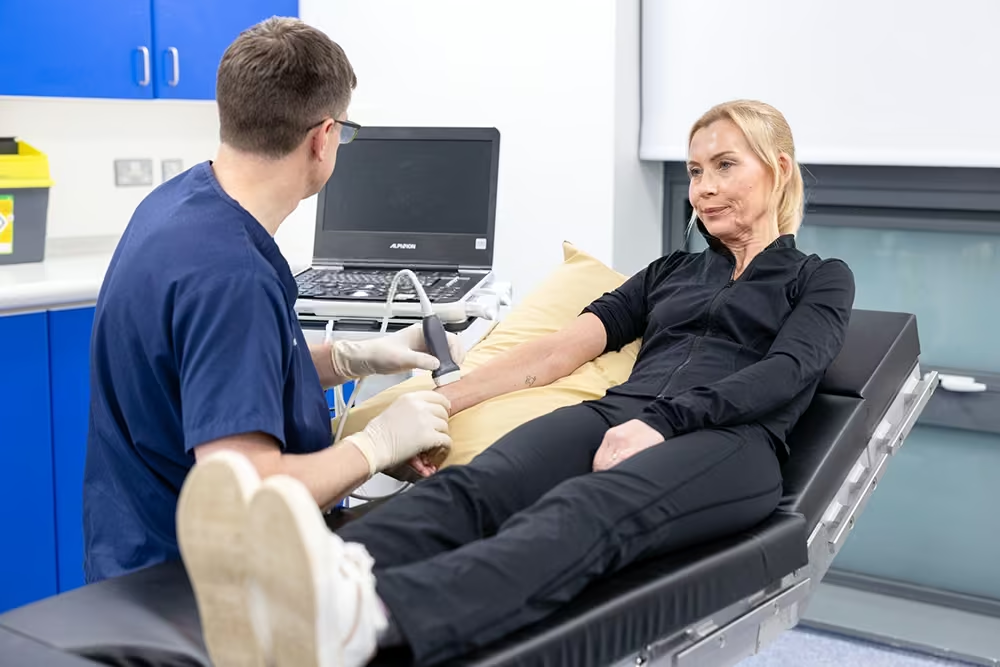
Diagnosis is primarily clinical and based on a characteristic history and examination. Specific examination manoeuvres can help confirm the diagnosis. Imaging is rarely required and is usually reserved for atypical cases or where alternative diagnoses are suspected. Accurate assessment is important to distinguish De Quervain’s tenosynovitis from thumb arthritis or other causes of wrist pain

Treatment options

Initial management may include activity modification, short-term splinting, and simple analgesia. Corticosteroid injection into the affected tendon sheath has good evidence for symptom relief and is considered first-line treatment for many patients. Injection is often effective after a single treatment, although some patients may require a repeat injection.


Focused shockwave therapy (FSWT) has a limited evidence base in De Quervain’s tenosynovitis and may be considered in selected cases where symptoms persist or where patients wish to avoid injection or surgery. Surgical release of the tendon sheath is reserved for patients with persistent symptoms despite appropriate non-operative treatment.

Frequently Asked Questions

FAQ – De Quervain’s Tenosynovitis

What causes De Quervain’s tenosynovitis?
It is caused by irritation and thickening of the tendons and their sheath at the thumb side of the wrist. Repetitive thumb or wrist movements, increased hand use, pregnancy, and caring for young children are recognised risk factors.
No. De Quervain’s affects the tendons, whereas thumb arthritis affects the joint at the base of the thumb. The two conditions can cause similar pain but are managed differently.
Mild cases may improve with rest and activity modification, but persistent symptoms often require treatment.
When performed appropriately, corticosteroid injections are generally safe and effective for De Quervain’s tenosynovitis.
Steroid injections have a high success rate, particularly when given early in the condition. Some patients may require a second injection.
If symptoms persist despite injection, surgical release is often the most effective next step.
Evidence is limited. It may help some patients, but results are variable and it is not a standard first-line treatment.
Surgery is considered for patients with ongoing pain and functional limitation despite appropriate non-operative treatment.
Surgical release is usually definitive, with a high success rate and low risk of recurrence.
No. Physiotherapy has a limited role in De Quervain’s tenosynovitis. We will advise if any additional measures are likely to be helpful.
Yes. It can affect one or both wrists, either at the same time or at different times.

Why choose Northern Medical Practitioners?

Patients with De Quervain’s tenosynovitis are assessed at Northern Medical Practitioners by experienced clinicians with a focus on accurate diagnosis and appropriate escalation of care. Many patients attend after symptoms have not improved with rest or splinting. We prioritise treatments with the strongest evidence of benefit and are clear about expected outcomes and limitations. Where non-operative treatments are unlikely to provide lasting improvement, we advise timely referral for surgical opinion rather than prolonged ineffective intervention.